Advertisement
Anonymous
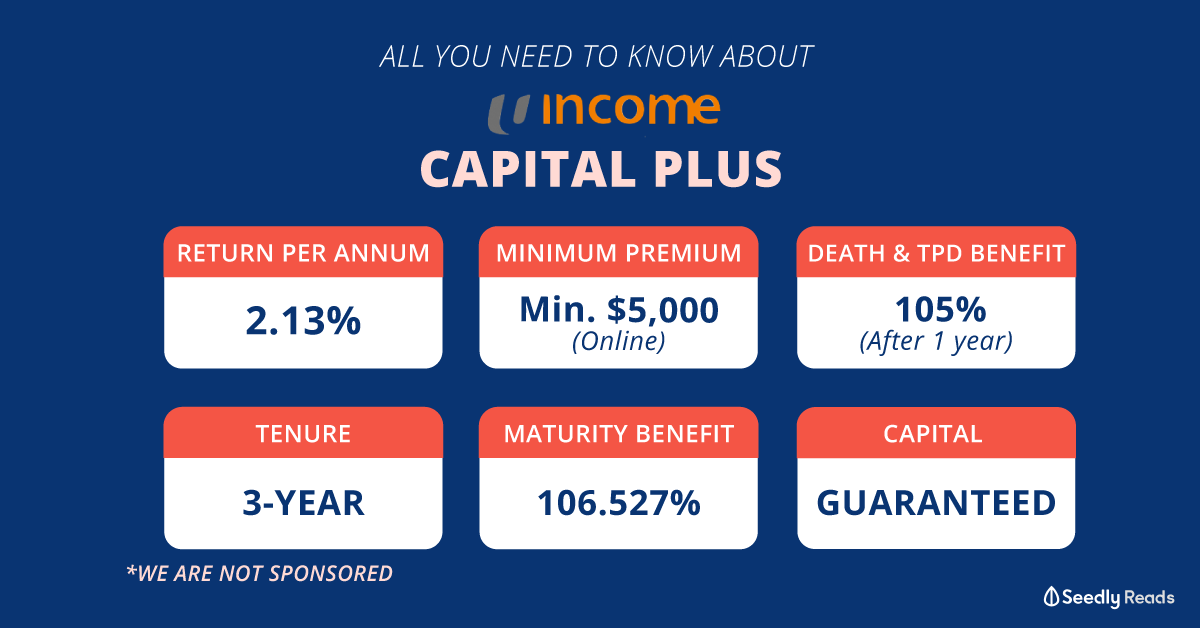
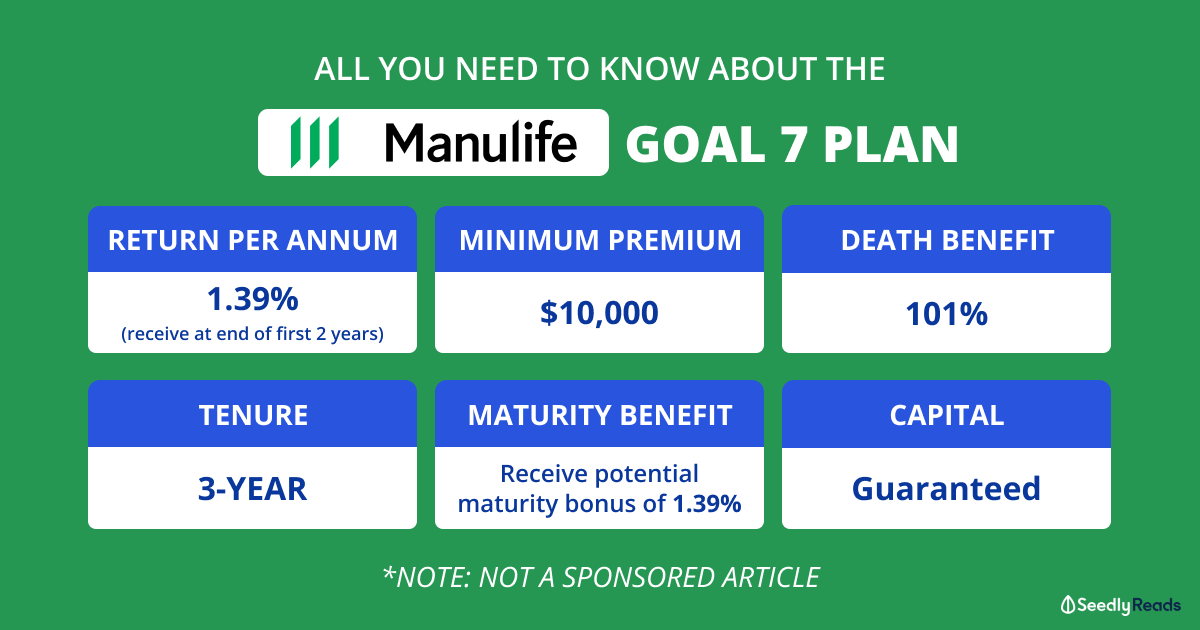
Hi, what would be a good investment portfolio for someone in her early 30s with $250K in total savings? Are short term saving plans eg. lock up capital for 3-5 years with 2-3% returns good?
Been trying to start investing but I’m still getting lost with all the terms and methods. Slowly but surely! Considering a private property too.
11
Discussion (11)
Learn how to style your text


🎉 Encourage maggie by liking their first comment!
Reply
Save
Buy property? I think not a good idea. I will put at FD
Reply
Save
It all depends on your risk tolerance. 2-3% seem already quite nice, in the end it would be yourself to state if 2-3% are enough. subtract for seeing net returns also inflation rate.
For the U.S. broad stock market (S&P500) super-longterm performance over decades was 6-7% anually, for the last decade double that. 'Expert' wisdom recommends cautiously that you should not invest into stocks only, and to globally diversify the stocks allocation. and they believe that the mentioned annual stock market performance for the coming yesars will drop again significantly to maybe 3-4%.
If you decide to go for stocks, ETFs tickers SWRD or ISAC would be among the most conservative, balanced and cheapest choices. Never buy unit trusts/mutual funds.
I have written two texts as an introduction to investing here (but do not follow the mentioned technology investing mentioned there).
https://seedly.sg/posts/what-is-your-general-in...
Reply
Save
All depends on Your risk tolerance and Your investing horizon.
With an investment horizon of more than 10 years (money locked up in this period, and not subjected to 'panic crash selling') major global stock asset allocation could be long-term more successful than other cateogories. Passive global indexing via cheap and large stock ETFs would be an excellent choice.
more on my thinking here:
Reply
Save
Pang Zhe Liang
07 Dec 2019
Lead of Research & Solutions at Havend Pte Ltd
Firstly, we need to have a complete understanding on our cashflow. Through this process, we will und...
Read 7 other comments with a Seedly account
You will also enjoy exclusive benefits and get access to members only features.
Sign up or login with an email here
Write your thoughts
Related Articles








Related Posts
Related Posts
Advertisement
Historically, inflation averages around 2% to 3% annually. A savings plan yielding 2% to 3% essentially locks your purchasing power in place, meaning your real return (after inflation) is close to 0%. Over 3 to 5 years, this causes your money to lose relative value. umr sign in